
How to Start a Delivery Service: A No‑Fluff Local Playbook
How to Start a Delivery Service: A No‑Fluff Local Playbook
Starting a delivery service isn’t just about having a van and a phone. It’s about building routes that keep your crew moving and your customers satisfied without stealing your weekends. If you’ve been wondering how to start a delivery service that handles real jobs—materials, parts, urgent runs—this no-fluff local playbook breaks it down step by step. Ready to skip the guesswork and get moving? Let’s get you set up to drive with GRUNT or launch delivery for your store with zero commissions.
Laying the Foundation
Creating a successful delivery service begins with a solid foundation. This involves careful planning, understanding the legal landscape, and ensuring your business is protected. Let's dive into the essential steps to get started.
Crafting Your Delivery Business Plan
The cornerstone of any business is its plan. Start by outlining your mission: maybe you aim to offer same day delivery service for local stores or handle urgent construction material delivery. Define your target market and what sets you apart. Will you focus on local courier startup services or broader last mile delivery? Detail your financial projections, including startup costs and potential revenue streams. A well-crafted plan acts as your roadmap, steering your decisions and helping secure funding.
Understanding Delivery Licenses and Permits
To operate legally, you'll need the right licenses and permits. These vary by location but often include a business license and special permits for commercial driving. Check your local government’s requirements, as operating without them can lead to fines. Resources like JustAnswer can guide you in navigating these legal waters.
Sorting Out Delivery Insurance Requirements
Insurance is crucial to protect your business. Basic coverage includes liability, which shields you from damages or injuries during operations. Additionally, consider cargo insurance to cover the goods you transport. Speak with a business insurance advisor to tailor coverage suited to your specific needs, ensuring peace of mind and financial security.
Setting Up Operations
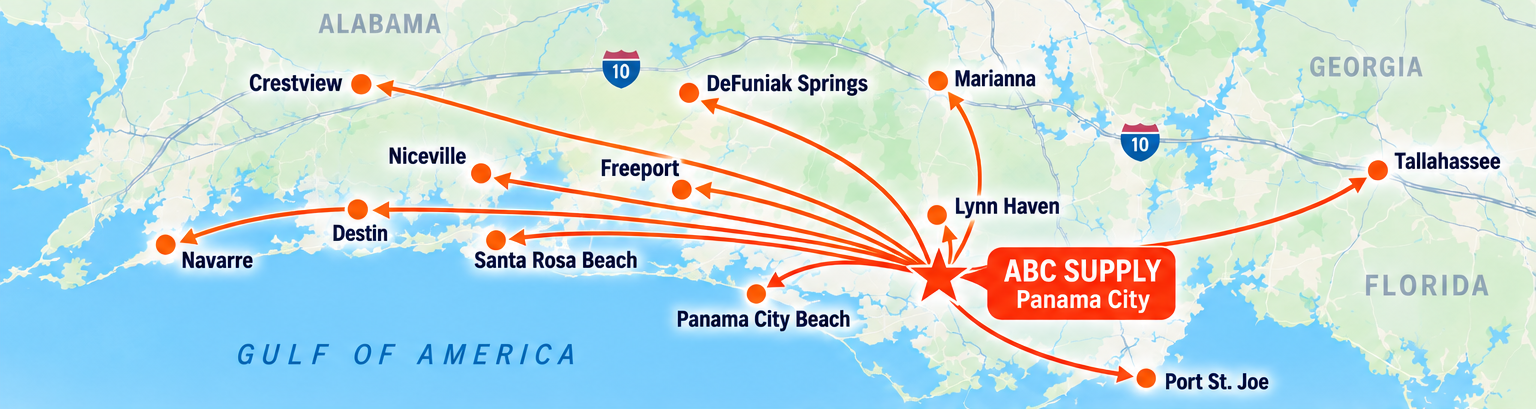
Once you have laid the groundwork, it's time to set up the nuts and bolts of your delivery business. This includes choosing the right vehicle, planning efficient routes, and leveraging technology for dispatching.
Choosing a Cargo Van or Pickup Truck
Your vehicle choice impacts your service capability. A cargo van is ideal for bulkier items, while a pickup truck offers flexibility for varied loads. Consider what types of deliveries you'll handle most—do you see more hardware store delivery needs or contractor delivery services? Weigh the costs of purchase or lease, and think about fuel efficiency and maintenance as part of your long-term expenses.
Planning Routes for Efficiency
Efficient routes save time and money. Use tools like Google Maps or dedicated route planning software to optimize paths, especially when handling multiple deliveries. This approach reduces fuel costs and ensures timely arrivals, making your service more reliable. Stay flexible to account for traffic and other variables that might affect your schedule.
Using a Dispatch App
Technology simplifies operations. A dispatch app enables you to track deliveries, manage drivers, and communicate with customers in real time. Such tools streamline your workflow, offering features like ETA updates and route adjustments. Explore options that integrate seamlessly with your business size and needs for maximum benefit.
Building a Profitable Service
With operations in place, focus shifts to profitability. This means setting the right prices, forming strategic partnerships, and building your delivery team.
Pricing Strategy for Local Delivery
Pricing can make or break your business. Research competitors and consider factors like distance, package size, and delivery urgency. You might charge a base fee plus per-mile rates or offer flat pricing for certain zones. Ensure your strategy covers costs while remaining attractive to customers.
Partnering with Local Businesses
Forming partnerships can boost your business. Approach local stores, offering to handle their delivery needs. Highlight benefits like zero commissions, which appeals to businesses seeking fair deals. Strong partnerships increase your visibility and expand your customer base, setting up a steady stream of jobs.
Recruiting Gig Drivers for Delivery
A flexible workforce is a strength. Recruiting gig drivers allows you to scale with demand without overheads of full-time staff. Offer competitive pay and the promise of local jobs to attract drivers. Use platforms like Octal Software for tips on hiring and managing gig workers effectively.
Frequently Asked Questions
What licenses do I need for a delivery business?
You'll need a business license and potentially special permits for commercial driving, depending on your location. Check local regulations to ensure compliance.
How do I choose between a cargo van and a pickup truck?
Consider the types of deliveries you'll make. Cargo vans suit larger loads, while pickup trucks offer versatility for varied deliveries.
Why is route planning important in delivery services?
Efficient routes save time and reduce fuel costs, ensuring timely deliveries and enhancing reliability for your business.
What role does a dispatch app play in delivery operations?
A dispatch app streamlines logistics, allowing real-time tracking and management of deliveries, improving efficiency and customer satisfaction.
How do I set competitive pricing for delivery services?
Research competitor pricing, consider costs, and factor in delivery specifics like distance and urgency to create a strategy that covers expenses and attracts clients.


